Illuminating the Intersection of Lighting and Identity Politics
Category : culturepolitics | Sub Category : culturepolitics Posted on 2023-10-30 21:24:53
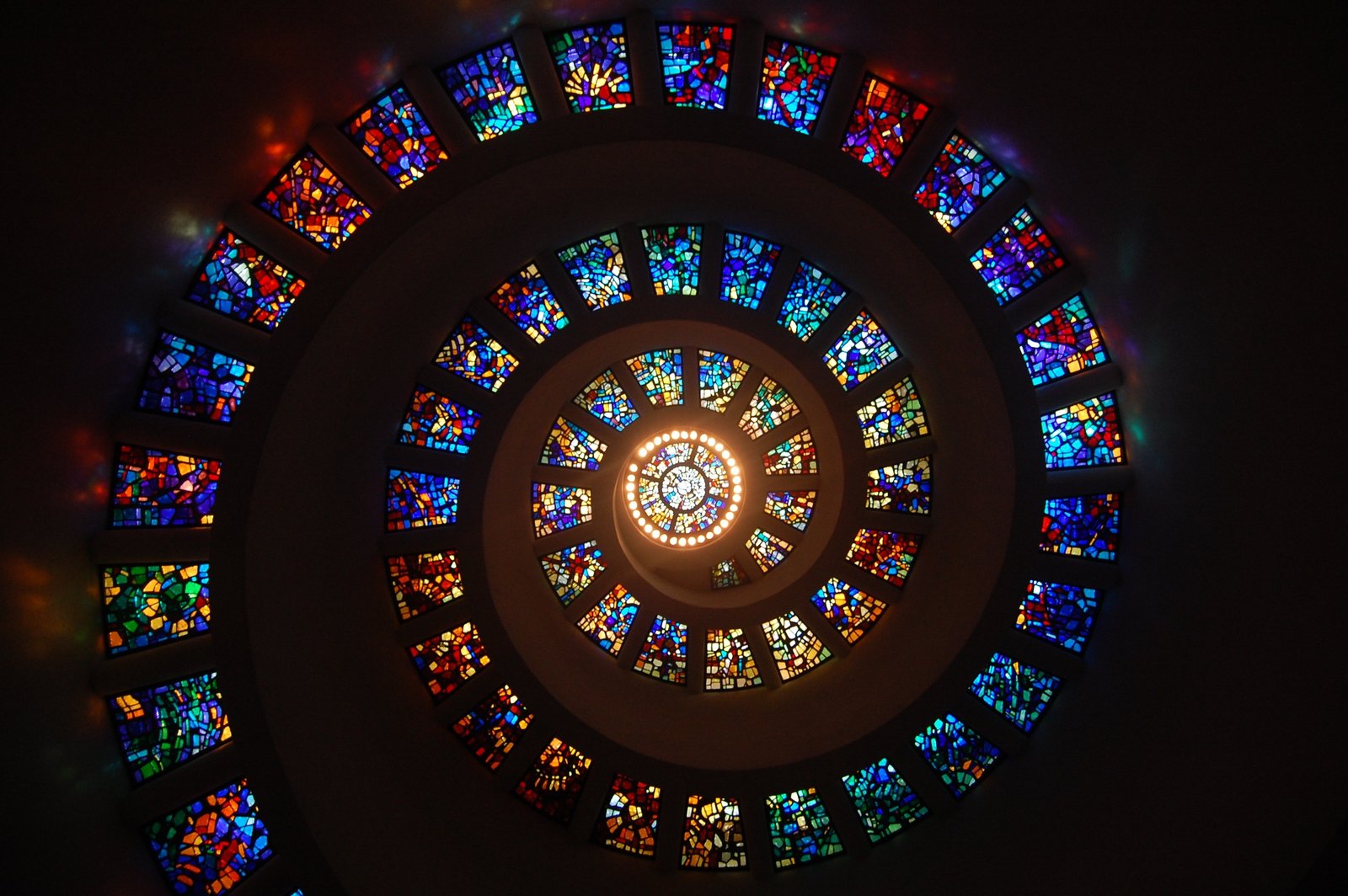
Introduction: In today's world, where conversations surrounding identity politics are at the forefront, it is essential to recognize how even the seemingly mundane aspects of our surroundings can contribute to the broader narrative. From architecture to interior design, one element that often goes unnoticed but plays a significant role is lighting. In this blog post, we will explore the intersection of lighting and identity politics and understand how lighting design can influence and reflect our collective identities. 1. Historical Context: To understand the relationship between lighting and identity politics, it is crucial to examine its historical context. Lighting has long been used as a tool to shape public and private spaces, conveying power dynamics and reinforcing societal hierarchies. For instance, the way lighting was used in colonial buildings reflected the superiority of the ruling class, while marginalized communities were often left in dimly lit spaces. Recognizing this history prompts us to question the power dynamics embedded in lighting design. 2. Representation and Inclusion: Lighting design can play a transformative role in challenging traditional notions of identity and creating inclusive spaces. By deliberate placement and intensity, lighting can highlight and celebrate diverse identities, reinforcing an ethos of inclusion. For example, museums have begun using dynamic lighting to showcase artwork created by marginalized communities, amplifying their narratives and fostering a sense of visibility. 3. Subverting Stereotypes: Lighting can also be a tool to subvert stereotypes and challenge societal norms. By strategically manipulating lighting, designers can challenge preconceived notions and disrupt the traditional narratives associated with certain identities. For instance, using vibrant and bold lighting in spaces traditionally associated with femininity can challenge the perception that femininity equates to softness or weakness. 4. Intersectionality and Multifaceted Identities: Identity politics acknowledge that individuals have multifaceted identities that intersect with one another. Lighting design can mirror this complexity by using a range of lighting techniques to represent the multiple layers that make up an individual's identity. For example, in a performance space, lighting can be used to represent the intersection of various identities, such as race, gender, and sexuality, by incorporating different color schemes and intensities. 5. Empowering Communities: Perhaps the most significant impact lighting can have on identity politics is in empowering marginalized communities. By creating well-lit and safe public spaces, lighting design can foster a sense of belonging and empowerment. Communities that have traditionally been left in the shadows can reclaim their spaces and challenge the narrative that their identities are marginalized. Conclusion: Lighting design may seem like a detail easily overlooked, but its influence on identity politics cannot be underestimated. By actively engaging with lighting design, we can forge a more inclusive and equitable future, where our collective identities are celebrated and represented. It is essential for designers, architects, and individuals alike to recognize the transformative power of lighting and utilize it as a tool for positive change in the broader conversation surrounding identity politics. Dropy by for a visit at http://www.lumenwork.com also for more info http://www.alliancespot.com Also Check the following website http://www.mimidate.com Click the following link for more http://www.cotidiano.org
Leave a Comment:
SEARCH
Recent News
- Zurich, Switzerland is a vibrant city known for its picturesque landscapes, rich history, and diverse cultural scene. One fascinating aspect of Zurich's cultural tapestry is the influence of Sudanese culture in the city.
- Zurich, Switzerland, is renowned for its picturesque landscapes, vibrant culture, and thriving economy. However, thousands of kilometers away in Russia, agriculture plays a crucial role in the country's economy and food production.
- When looking at two diverse but equally fascinating destinations such as Zurich, Switzerland, and the rich culture of Quebec in Canada, it’s hard not to be captivated by the unique charm and beauty each has to offer.
- Zurich, Switzerland: A Hub for Hungarian Culture
- Zurich, Switzerland is a picturesque city known for its stunning landscapes, historic architecture, and vibrant culture. On the other hand, Honduras is a country rich in history and cultural diversity. Let's explore the contrasting beauty of Zurich, Switzerland and the colorful traditions of Honduras.
- Zurich, Switzerland is a city known for its vibrant culture, stunning landscapes, and welcoming atmosphere. Over the years, Zurich has become a melting pot of diversity, attracting people from all corners of the world. One noticeable community that has found its home in Zurich is the Ethiopian population.
- Zurich, Switzerland is a vibrant city known for its stunning beauty, high quality of life, and rich cultural scene. One of the many diverse cultural influences found in Zurich is that of Ethiopian culture. Ethiopians have been making significant contributions to the cultural landscape of Zurich, bringing their unique traditions, music, cuisine, and art to the city.
- Cancel culture has been a hotly debated topic in recent years, and its impact can be seen around the world, including in Zurich, Switzerland. As a vibrant and cosmopolitan city, Zurich is not immune to the effects of cancel culture, which involves boycotting or ostracizing individuals or groups deemed to have behaved in a controversial or offensive manner.
READ MORE
10 months ago Category : culturepolitics

Zurich, Switzerland is a vibrant city known for its picturesque landscapes, rich history, and diverse cultural scene. One fascinating aspect of Zurich's cultural tapestry is the influence of Sudanese culture in the city.
Read More →10 months ago Category : culturepolitics

Zurich, Switzerland, is renowned for its picturesque landscapes, vibrant culture, and thriving economy. However, thousands of kilometers away in Russia, agriculture plays a crucial role in the country's economy and food production.
Read More →10 months ago Category : culturepolitics

When looking at two diverse but equally fascinating destinations such as Zurich, Switzerland, and the rich culture of Quebec in Canada, it’s hard not to be captivated by the unique charm and beauty each has to offer.
Read More →10 months ago Category : culturepolitics
